The Beginner’s Guide to Art History

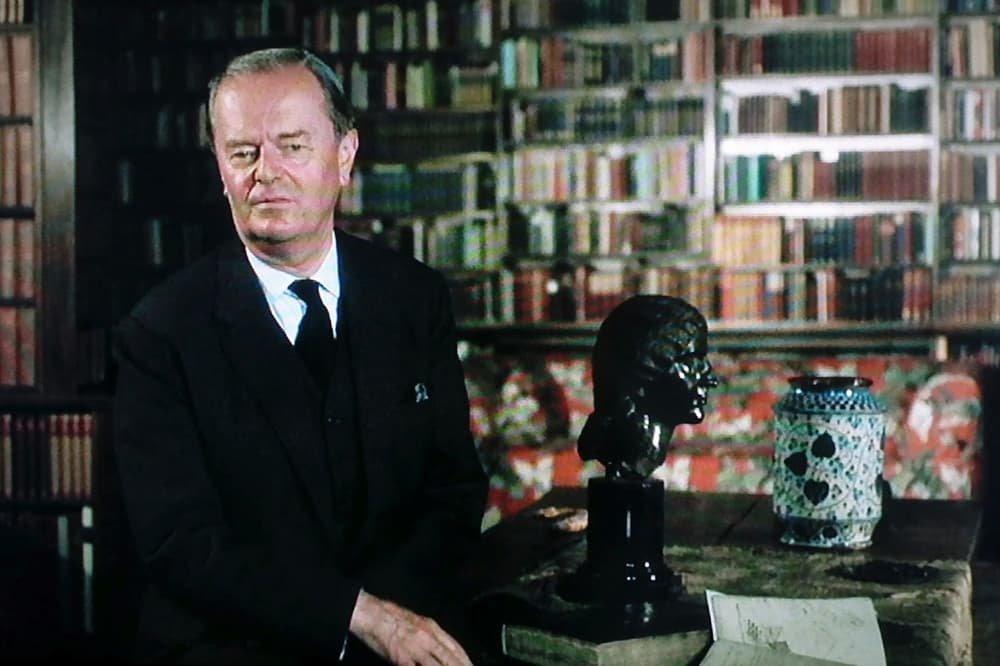
Starting art history can feel overwhelming, but one of the most accessible and engaging entry points is the classic television series Civilisation by Kenneth Clark. Rather than asking you to memorise dates, movements, and terminology, it invites you to see art as part of a much bigger story—the story of how societies think, believe, and evolve over time. This makes it an ideal starting point for beginners who want understanding before detail.
The series Civilisation takes you on a visual journey through Western art, beginning with the aftermath of the fall of Rome and moving through to the modern age. What makes it so effective is its storytelling approach. Instead of presenting art in isolation, Clark connects paintings, sculptures, and architecture to the ideas and values of each period. Watching it allows you to build a strong visual and cultural foundation without feeling like you’re studying in a traditional sense. If you’re looking for a place to start, this is easily the most worthwhile first purchase or stream, as it gives you context that most beginner books struggle to provide on their own.
Once you’ve watched a few episodes, pairing the series with the companion book can deepen your understanding. Reading Civilisation in book form allows you to slow down, revisit key ideas, and reflect on what you’ve seen. It works best as a follow-up rather than a starting point, helping reinforce the connections between art, history, and human thought that Clark introduces on screen.
As you move through the series, you’ll begin to recognise the major phases of art history in a much more intuitive way. Early periods focus on survival and faith, where art preserved knowledge and expressed religious devotion. This gradually shifts into the soaring ambition of Gothic architecture, followed by the Renaissance emphasis on human beauty, balance, and reason. Later, the Baroque period introduces drama and power, before the modern age begins to question certainty and tradition. Through all of this, a central idea emerges: art reflects what a civilisation believes about itself at any given time.
It’s also worth recognising that Clark’s perspective is focused largely on Western art, which means it doesn’t tell the whole global story. Expanding beyond it is an important next step, and a natural progression is the more recent series Civilisations, which explores a wider range of cultures and viewpoints. Adding this to your journey helps balance the foundation Clark provides with a more modern and inclusive understanding of art history.
Ultimately, the most effective way to begin learning art history is not through memorisation, but through curiosity. Starting with Civilisation allows you to enjoy the process while building a meaningful framework in your mind. From there, books, galleries, and further series will make far more sense. With just a few carefully chosen resources, you can move from feeling completely unfamiliar with art to recognising patterns, themes, and significance in works across history.